
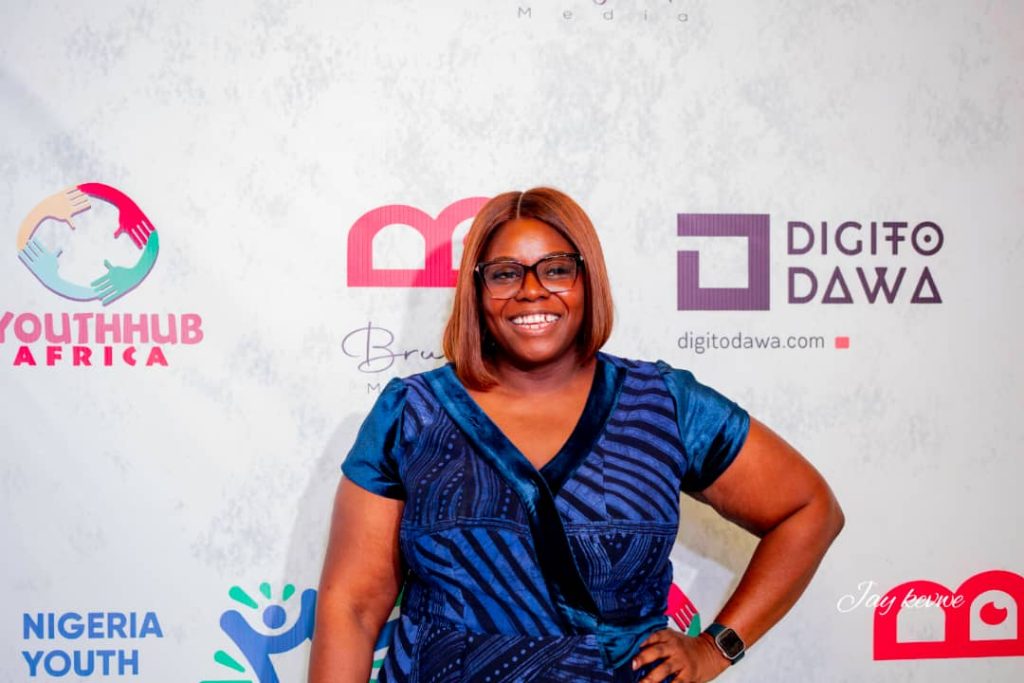
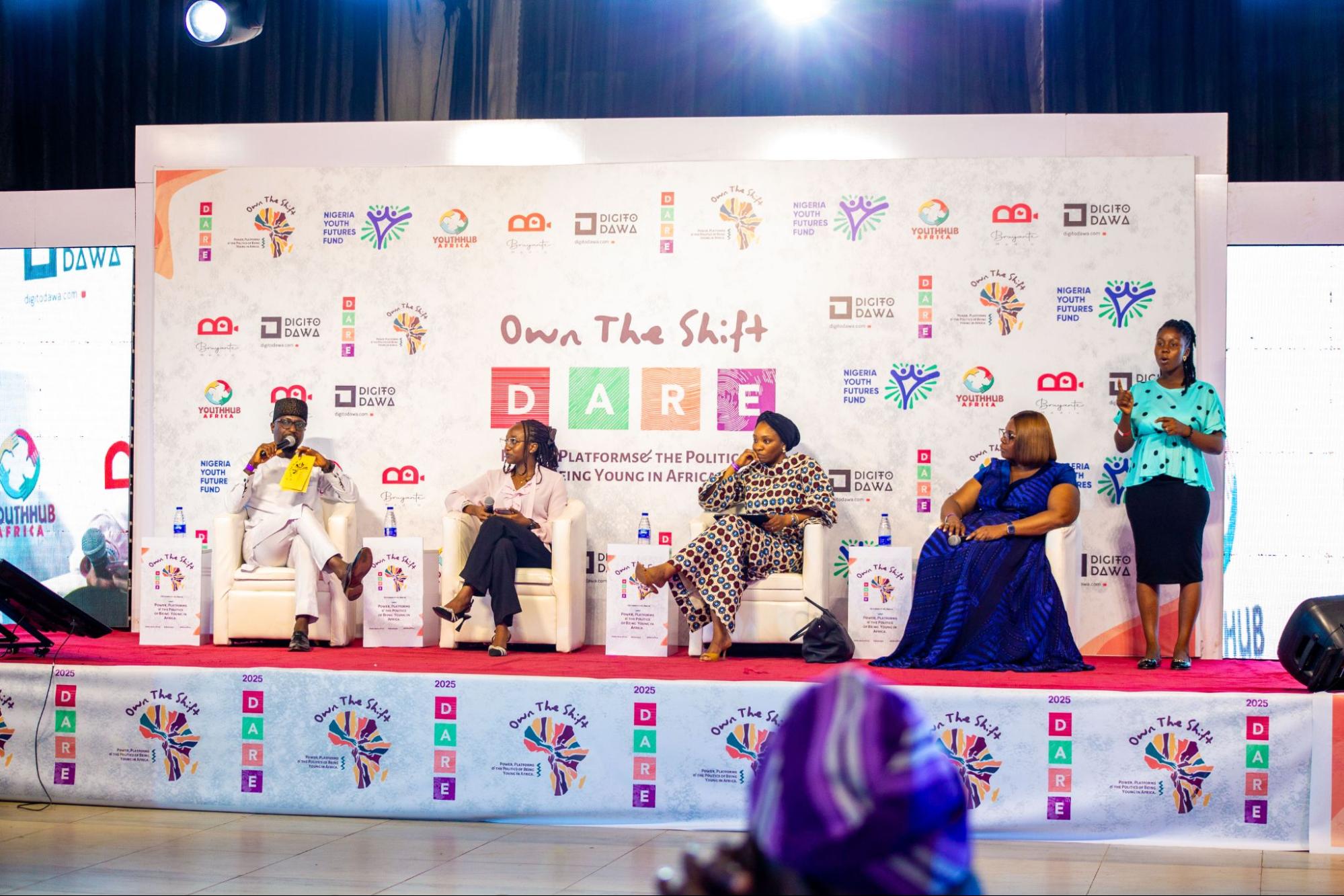
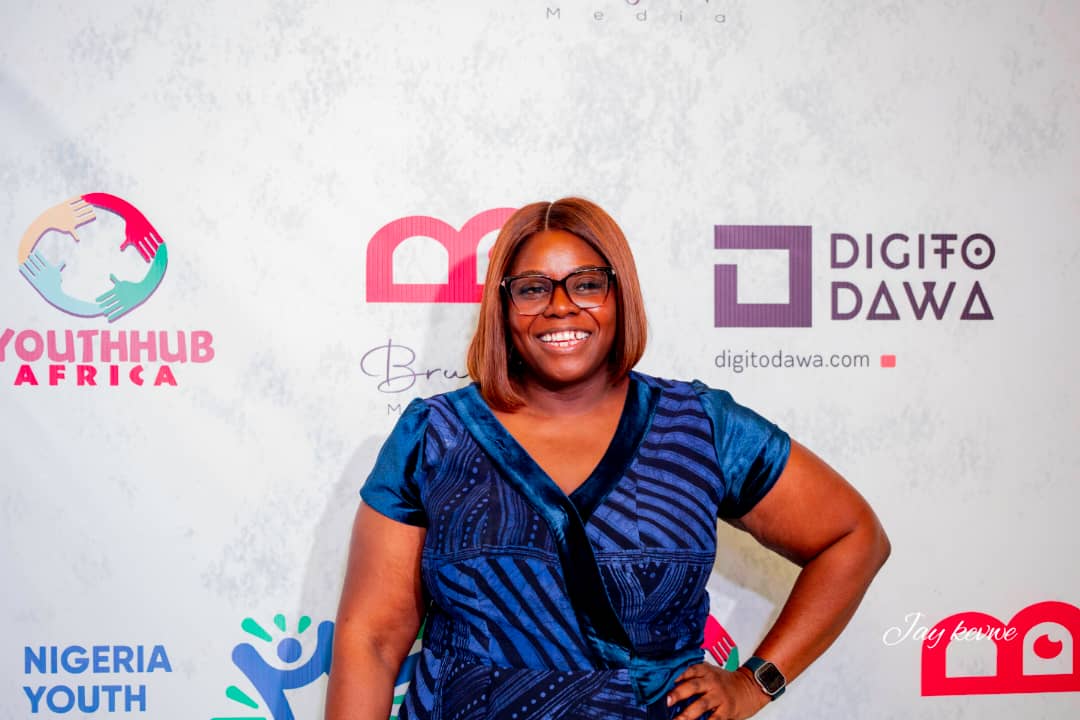
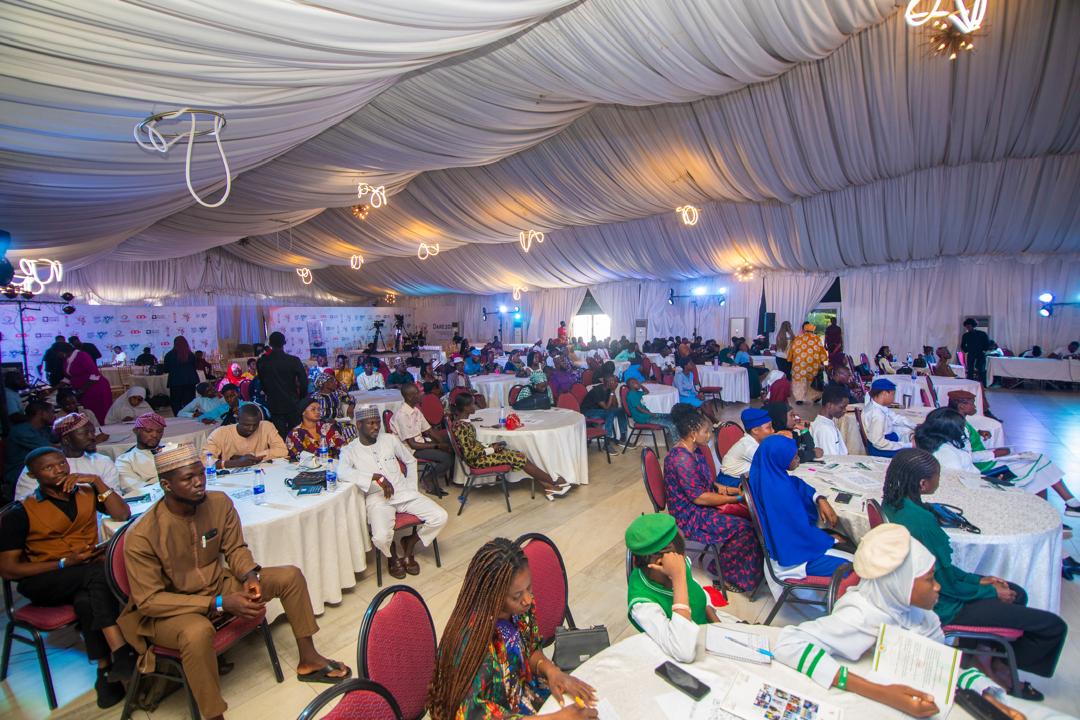
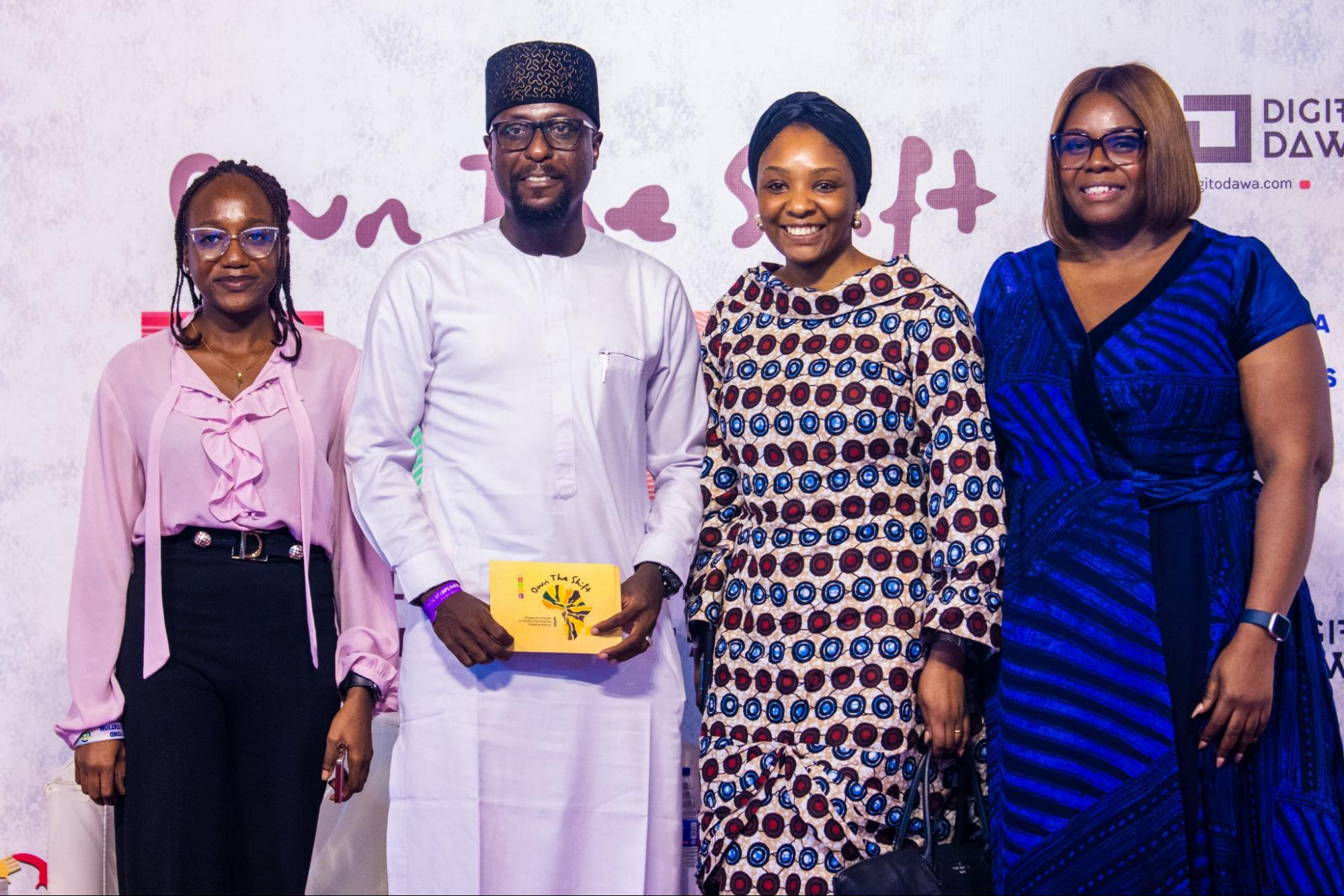
I recently had the honor of speaking at the DARE Conference about virtual job opportunities for young Nigerians, and I’m excited to share some key takeaways from my session. Here are the top 10 lessons I learned from the experience:
 1. Mindset Shift: Move beyond “Yahoo Yahoo”
One uncomfortable truth we have to address is how deeply the idea of “quick money” has shaped career conversations. For many young people, success feels distant unless it’s fast. But sustainable careers especially in the digital and remote space don’t work that way.
Virtual work rewards consistency, skill, and patience. It’s not flashy at the beginning, but it compounds. When young people begin to see digital work as a real profession rather than a side hustle or shortcut, everything changes from how they learn to how they show up.
2. Mobile Phones = Opportunities
It’s easy to think opportunity requires expensive gadgets or perfect setups. But the reality is that many people already carry their entry point in their pockets. A phone can be a classroom, a workspace, and a networking tool.
What matters is not the device, but how intentionally it’s used. The same screen used for endless scrolling can also be used to learn, build, apply, and connect. That shift alone can open doors.
3. Local Systems Still Matter
While personal effort is important, support systems cannot be ignored. Local and state governments have a responsibility to create environments where young people can access training, information, and exposure.
When these structures work even imperfectly they help bridge the gap between talent and opportunity. Ignoring them means leaving potential support untapped.
4. The Job Market Has Changed—We Have to Catch Up
Many of the rules we were taught about work no longer apply. The global labour market is remote, digital, and competitive. That means we have to unlearn outdated ideas and relearn how work actually functions today.
From how we communicate to how we apply for jobs, adaptation is no longer optional. Those who adjust early have an advantage.
5. Digital Skills Are Not One-Size-Fits-All
There’s a common misconception that digital skills only mean coding. That’s far from the truth. Digital work spans research, communication, project coordination, design, operations, and more.
Understanding where your strengths fit in this ecosystem is more important than chasing trends. The goal isn’t to learn everything—it’s to learn what’s relevant and usable.
6. Remote Work Is No Longer a “Nice Idea”
Remote work is already here, and it’s not slowing down. Companies are hiring across borders, and young Nigerians can compete if they understand how the system works.
This includes knowing how to collaborate virtually, manage time independently, and communicate professionally across cultures. These are learnable skills, and they make a real difference.
7. No One Is Coming to Save You
One of the most empowering realities of this digital age is access to learning. You don’t need permission to start. You don’t need to wait to be chosen. Self-education done intentionally and consistently can completely change your trajectory. The people who move fastest are usually the ones who take responsibility for their growth.
8. Relationships Still Open Doors Opportunities rarely come from nowhere.
They often come from people. Conversations, referrals, shared spaces, and communities matter. Networking doesn’t have to be loud or transactional. Sometimes it’s simply about showing up, contributing, and being visible in the right spaces.
9. Skills Get You In
Character Keeps You There Technical ability might help you land a role, but soft skills determine whether you thrive. Communication, reliability, and problem-solving are especially important in remote environments where trust matters. These skills are often overlooked, but they are what employers remember.
10. Action Beats Intention
The most important takeaway is simple: start. Not perfectly. Not later. Now. That might mean learning how to structure a CV that can pass ATS screening, applying for your first remote role, or committing to consistent skill-building. Progress comes from movement, not waiting. Speaking at the DARE Conference reminded me why this work matters. There is talent here. There is potential here.
